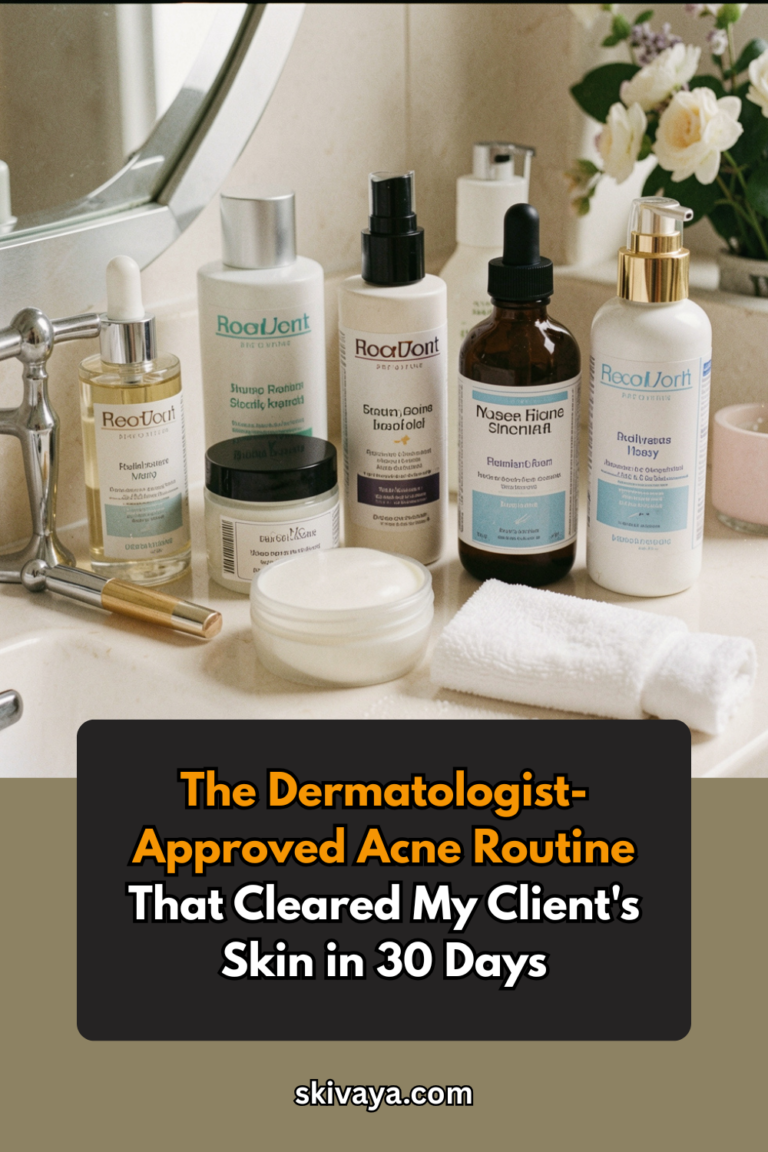
Let me tell you about Anne.
She messaged me at 11 PM on a Tuesday. Twenty-two years old, two years of rotating between serums she found on TikTok, three different cleansers in her bathroom cabinet, and a face that was somehow breaking out more than when she started. She’d spent close to $600 on skincare in the past year. Her skin was angry, her wallet was emptier, and her confidence was gone.
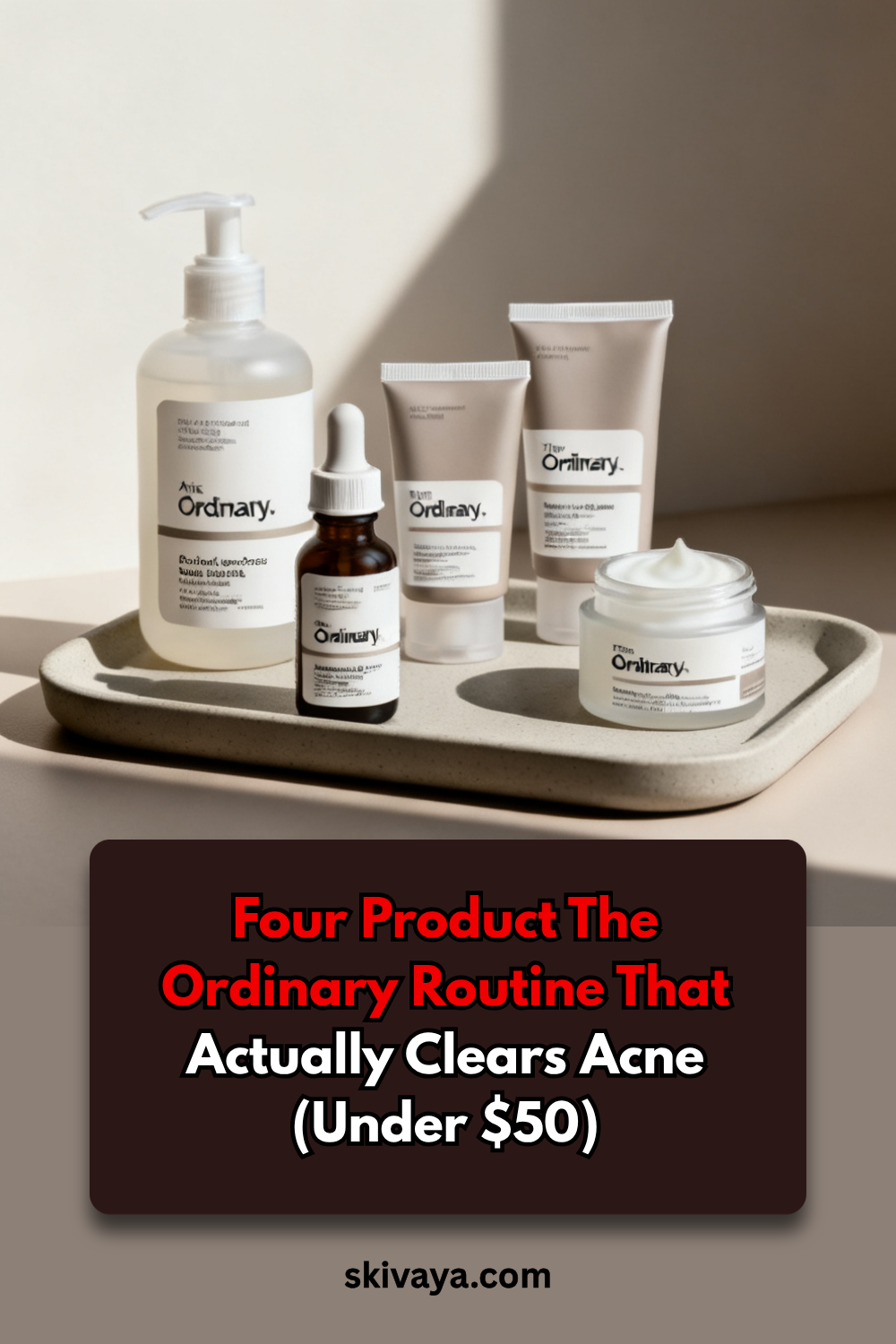
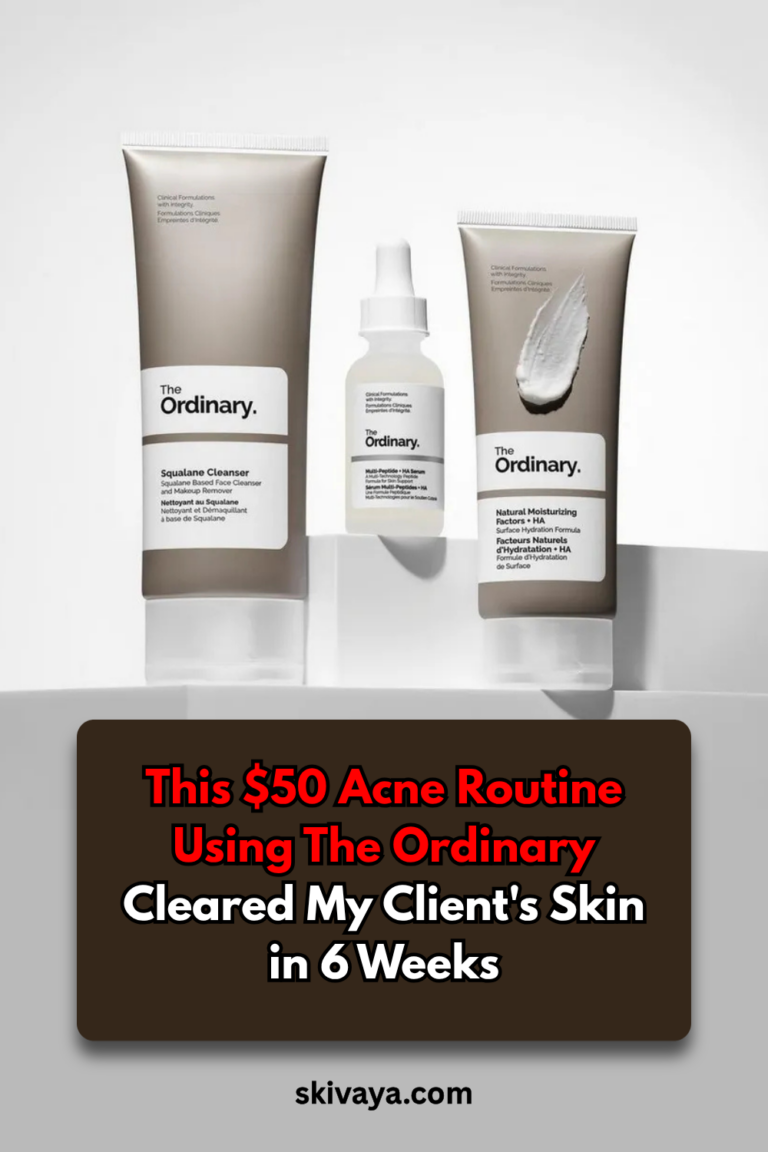
I told her to stop everything. Strip it back to four products — all The Ordinary, all under $50 combined.
Six weeks later, she sent me a photo. No filter. No caption. Just her face — clear, calm, and visibly different.
Here’s exactly what we did.
Disclaimer
“This Blog is completely reader-supported, for any purchase you make from affiliate links on this blog we earn a small commission with no extra cost to you, This content is for informational purposes and not medical advice.”
Why Your Current Routine Is Probably Making Things Worse
Most acne routines fail for one of three reasons — and I’d bet at least one of these sounds familiar.
Too many actives competing with each other. Stacking niacinamide, retinoids, AHAs, and vitamin C in the same routine doesn’t accelerate results. It compromises your skin barrier, drives inflammation, and creates the exact environment where acne thrives.
Wrong layering order. Applying products out of sequence can render actives completely ineffective. A heavy moisturizer before your serum physically blocks absorption. The sequence matters as much as the products.
Treating the surface, ignoring the root. Spot-treating an existing pimple while doing nothing about the clogged follicles forming beneath your skin is reactive skincare — and you will always be three weeks behind.
Acne is driven by four interconnected factors: excess sebum production, abnormal skin cell shedding (hyperkeratinization), C. acnes bacterial colonization, and inflammation. A routine that doesn’t address all four is leaving results on the table.
That’s why four products and that’s what addresses all four.
The Routine: Morning and Night
Step 1 — The Ordinary Squalane Cleanser / AM + PM
Most cleansers marketed for acne-prone skin are part of the problem. Harsh sulfates strip your acid mantle — your skin’s natural protective barrier — which triggers a compensatory surge in sebum production. You think you’re fighting oily skin. You’re actually causing it.

The Ordinary Squalane Cleanser is pH-balanced and non-stripping. Squalane mimics the skin’s own sebum, which signals to your skin that there’s no need to overproduce. Your skin should feel clean after cleansing — not tight, not “squeaky.” Tight means your barrier just took damage.
Step 2 — The Ordinary Niacinamide 10% + Zinc 1% / AM + PM
Niacinamide at 10% is one of the most clinically validated actives in dermatology for acne-prone skin, and it’s still dramatically underrated. It directly reduces sebum secretion rates, minimizes pore appearance, calms post-inflammatory redness, and fades the dark marks (post-inflammatory hyperpigmentation, or PIH) that linger long after the pimple is gone.
The 1% zinc is what makes this formula particularly sharp for active breakouts. Zinc has documented antimicrobial properties against C. acnes — the bacteria that colonizes clogged follicles and converts them into the inflamed pimples you’re trying to clear.
This was the product that visibly shifted things for Anne in the first two weeks. The texture of her skin changed before the breakouts even fully cleared — less redness, a calmer overall complexion, smaller-looking pores.
Apply after cleansing, before moisturizer. Give it 60 seconds to absorb.

Step 3 — The Ordinary Salicylic Acid 2% Solution / PM Only
Salicylic acid is a beta-hydroxy acid (BHA) — and being oil-soluble is what sets it apart from AHAs. That means it can actually penetrate inside the follicle lining and chemically exfoliate the built-up dead skin cells and sebum that form comedones. It’s working at the root of the problem, not just the surface.
At 2%, this concentration is effective enough to deliver real results without aggressive irritation. It also has mild anti-inflammatory properties, which is why existing breakouts calm down noticeably faster once you introduce it.
Use this at night only for the first two weeks — every other night if your skin is on the sensitive side. Once your barrier is acclimatized, increase to nightly.

Step 4 — The Ordinary Natural Moisturizing Factors + HA / AM + PM
Every acne patient I work with is under-moisturizing. The belief that oily skin doesn’t need hydration is one of the most persistent myths in skincare — and it is directly making your acne worse.
When you skip moisturizer, you increase transepidermal water loss (TEWL), weaken the barrier, and trigger reactive sebum overproduction as your skin tries to compensate. More oil, more breakouts, and actives that cause more irritation than results.
Natural Moisturizing Factors + HA uses the same moisture-binding compounds your skin naturally produces — amino acids, ceramides, hyaluronic acid. It’s lightweight enough under sunscreen in the morning and non-occlusive enough that it won’t clog pores.

What to Expect, Week by Week
Week 1: Your skin may look slightly worse. The salicylic acid is accelerating purging — pushing congestion to the surface that was already forming underneath. Mild dryness and flaking around the nose and chin are common. Do not add products. Do not change anything.
Week 2: Inflammation begins to visibly reduce. Existing breakouts resolve faster. You’re still seeing new ones surface, but they’re smaller and shorter-lived. The niacinamide is starting to regulate sebum production.
Week 3: This is when most of my clients first feel the shift. New breakouts slow significantly. PIH starts to lighten. Skin texture evens out. The barrier is stabilizing.
Week 4: The majority of people following this routine consistently see a 50–70% reduction in active lesions by the end of week four. Priya was at the higher end — partly because she didn’t skip a single day and didn’t introduce one extra product out of impatience.
One Last Thing
At her six-week check-in, Anne said something I keep coming back to: “I didn’t need more products. I needed to stop throwing things at my skin and actually give it a system.”
She was right. Acne isn’t a mystery condition that defies solution. It responds predictably to the right inputs, in the right order, given enough time. The failure almost never comes from the person — it comes from the absence of a clear, specific plan.
This routine is that plan. Follow it consistently for 30 days. Photograph your skin on day one, day fifteen, and day thirty. The pictures don’t lie — and neither does the science behind these ingredients.
Recommended
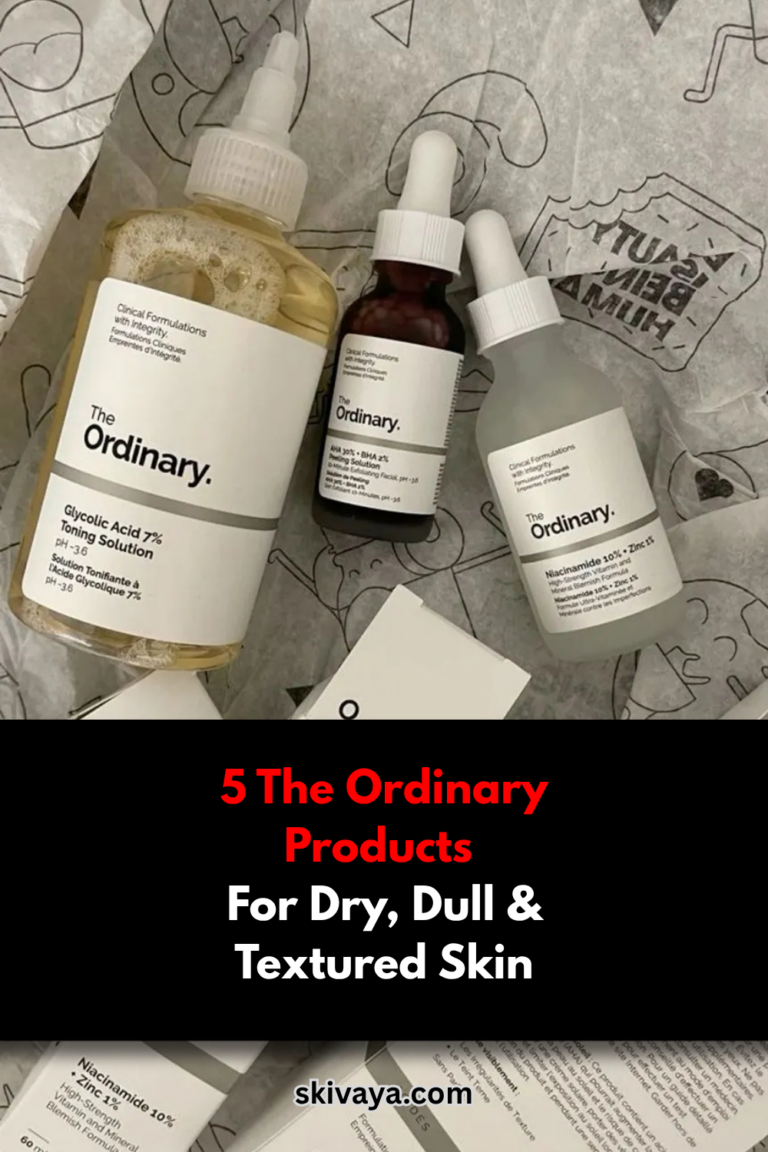
5 The Ordinary Products for Dry, Dull & Textured Skin
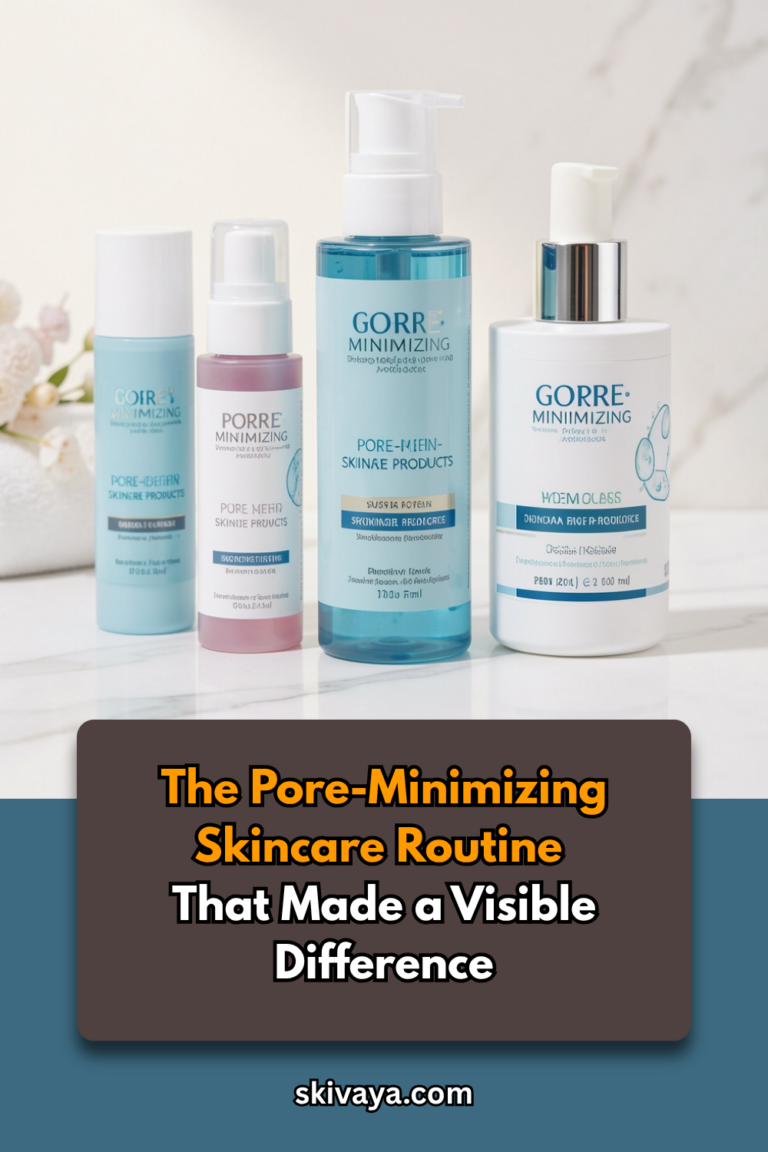
The Pore-Minimizing Skincare Routine That Made a Visible Difference
This $50 Acne Routine Using The Ordinary Cleared My Client’s Skin in 6 Weeks
The Exact 45-Day Routine That Helped My Client’s Acne Breakouts Calm Down Fast
My Client Had Persistent Acne — This Routine Changed Everything