Let me tell you about Meera.
She came to me convinced her pores were “just genetic” and there was nothing she could do about them. At 29, she’d accepted enlarged pores across her nose and cheeks as a permanent fixture — something to blur with primer and forget about. She wasn’t even looking for a solution when she found me. She was looking for a better primer recommendation.
What she didn’t know was that her pores weren’t the problem. Her routine was. She was using a pore-strip twice a week, a heavy moisturiser her friend had recommended, and skipping SPF most mornings because it made her skin look greasy. Her pores weren’t just sitting there being large — they were being actively stretched, clogged, and damaged every single day.
Eight weeks later, a colleague asked if she’d “done something” to her skin. Meera messaged me immediately. “She said my pores look smaller. I didn’t even think that was possible.”
Here’s exactly what we changed, why it worked, and every product that made it happen.
Disclaimer
“This Blog is completely reader-supported, for any purchase you make from affiliate links on this blog we earn a small commission with no extra cost to you, This content is for informational purposes and not medical advice.”
The Real Reason Your Pores Won’t Budge
Let’s settle something first: you cannot physically shrink a pore. Pore size is largely genetic. But — and this is the part nobody tells you — a pore that looks large almost always looks that way because it’s stretched by a sebum plug, congested with dead skin cells, or surrounded by skin that’s lost collagen support. Address those three things, and the pore appears visibly smaller. Not because it shrank, but because it’s no longer being held open.
Most pore-minimizing routines fail because they treat the surface — mattifying primers, pore strips, aggressive scrubs — without addressing the biology underneath. Pore strips pull out the visible tip of a sebum plug while the base stays intact and refills within days. Scrubs create micro-tears that increase inflammation and slow the cell turnover that keeps pores clear. And heavy, pore-clogging moisturisers undo every other step you’re taking.
The right routine addresses sebum regulation, cellular turnover, and barrier integrity simultaneously. That’s what cleared Meera’s skin — and what this routine does.
The Morning Routine
Step 1: The Cleanser (Morning & Night)
Meera had been using a thick, creamy cleanser that left a residue she described as “moisturising.” It was also non-pH-balanced, fragrance-heavy, and leaving a film on her skin that mixed with daytime sebum and sat inside her pores all day. Her skin felt soft after cleansing. Her pores were paying for it.
A cleanser for pore-prone skin needs to be gentle enough not to trigger reactive sebum overproduction, but effective enough to actually remove sebum and surface debris. pH-balanced between 4.5 and 5.5, fragrance-free, and non-comedogenic — those are the three requirements. If your face feels tight after cleansing, your cleanser is too harsh and your skin will compensate with more oil. If it feels slick or coated, it’s not cleansing thoroughly enough.
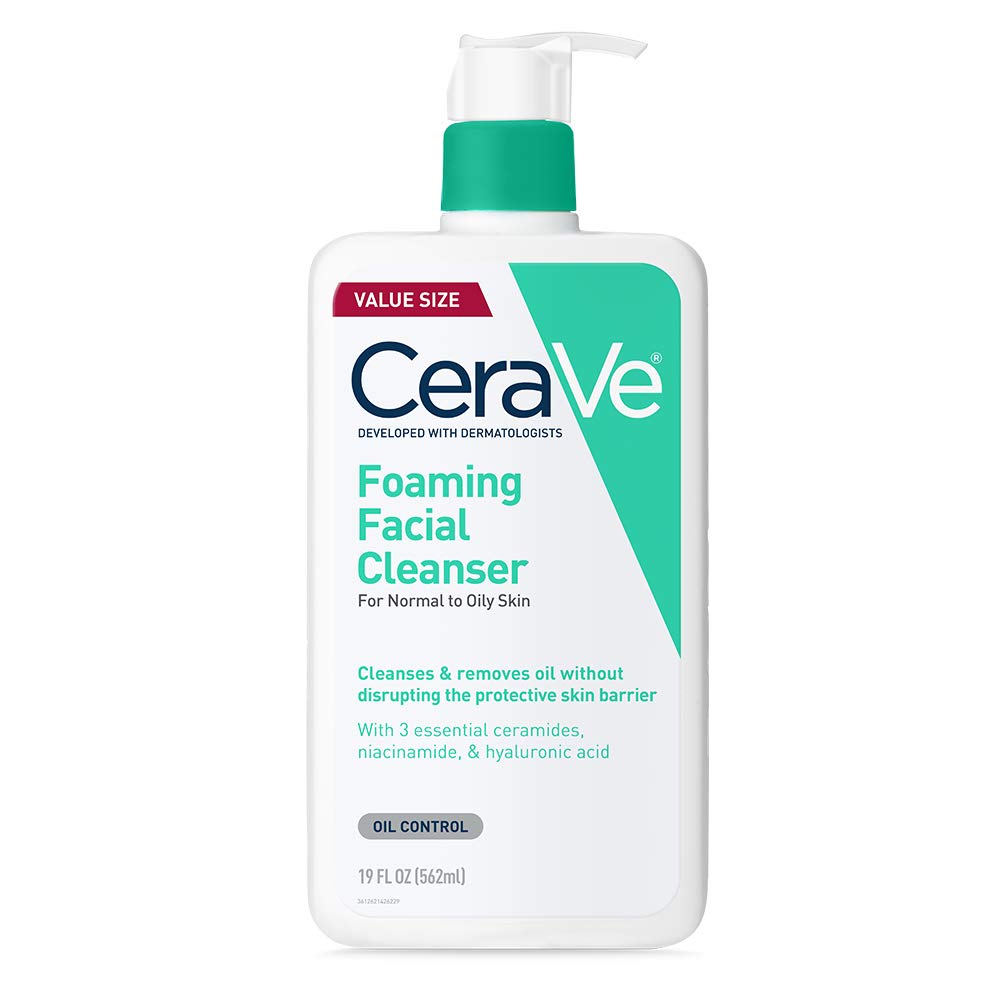
CeraVe Foaming Facial Cleanser is what I switched Meera to — ceramides, niacinamide, and hyaluronic acid in a formula that thoroughly removes sebum and debris without stripping the barrier or leaving residue. One swap, and her skin’s baseline oiliness reduced noticeably within ten days.
Step 2: The BHA Exfoliant (Morning — 3x Per Week)
This is the step that does the most visible work on pores, and it’s the one most people either skip entirely or overuse until their barrier breaks down.
Salicylic acid is a beta hydroxy acid — oil-soluble, which means unlike AHAs it can actually penetrate inside the pore lining and dissolve the sebum-dead cell mixture that stretches pores open. At 2%, used consistently two to three times per week, it keeps pores continuously cleared, reduces blackhead formation, and over time visibly tightens the appearance of enlarged pores as the congestion holding them open is removed.

The Ordinary Salicylic Acid 2% Solution is what I recommended to Meera — applied after cleansing on exfoliation mornings, left on for a few minutes, then followed by the rest of the routine. It’s fragrance-free, straightforward, and one of the most affordable BHA exfoliants available.
For a premium alternative, Paula’s Choice Skin Perfecting 2% BHA Liquid Exfoliant is the benchmark product in this category — more extensively formulated and worth the investment for anyone with significant congestion.
One rule: BHA on non-exfoliation mornings is replaced by your niacinamide serum. You do not need both every day, and using a BHA daily in the early weeks will compromise your barrier faster than it clears your pores.
Step 3: The Niacinamide Serum (Morning & Night)
Niacinamide at 10% is the ingredient that works quietly in the background of this entire routine — and in my opinion the most important one for long-term pore minimisation. It regulates sebum production at the gland level, directly reducing the overproduction that stretches pores open in the first place. It strengthens the skin barrier, which reduces the reactive oiliness that makes pores look larger throughout the day. And it fades post-inflammatory hyperpigmentation around previously congested pores, improving overall skin clarity.
For Meera, the combination of reduced sebum and fading discoloration around her nose and cheeks was what made the biggest visible difference by week four. The pores weren’t gone — but the environment around them had changed enough that they were no longer the first thing you noticed.

The Ordinary Niacinamide 10% + Zinc 1% is the pick — the zinc addition further regulates sebum, it’s fragrance-free, and under $7 it’s one of the most effective affordable serums available anywhere. Apply after cleansing (or after BHA on exfoliation days), give it 60 seconds to absorb, then move on.
For a more sensitive formulation, Paula’s Choice 10% Niacinamide Booster layers beautifully with every other active in this routine.
Step 4: The Moisturiser
Meera had been using a rich, thick moisturiser recommended for “dry skin” despite having combination skin, because someone had told her her oiliness was dehydration. It was partially true — dehydrated skin does overproduce sebum — but the solution isn’t a heavy cream that sits on top of the skin and mixes with sebum throughout the day. The solution is a lightweight, oil-free moisturiser that replenishes water content without adding congestion.
Skipping moisturiser entirely is equally damaging. A compromised barrier triggers reactive sebum overproduction — exactly what enlarges pores. Lightweight, oil-free, and non-comedogenic are the three requirements.

Neutrogena Hydro Boost Water Gel is what Meera switched to — hyaluronic acid-based, absorbs instantly with zero greasiness, and doesn’t interfere with any active in this routine.
Step 5: SPF (Morning Only — Non-Negotiable)
UV exposure breaks down collagen in the dermis — including the collagen scaffolding that supports pore walls and keeps them tight. Sun damage over time is one of the leading causes of permanently enlarged pores, and it’s entirely preventable. Beyond that, the retinoid in this routine increases photosensitivity, and every morning without SPF is undoing the cell turnover work happening at night.
Broad-spectrum SPF 30 minimum, every morning, without exception.
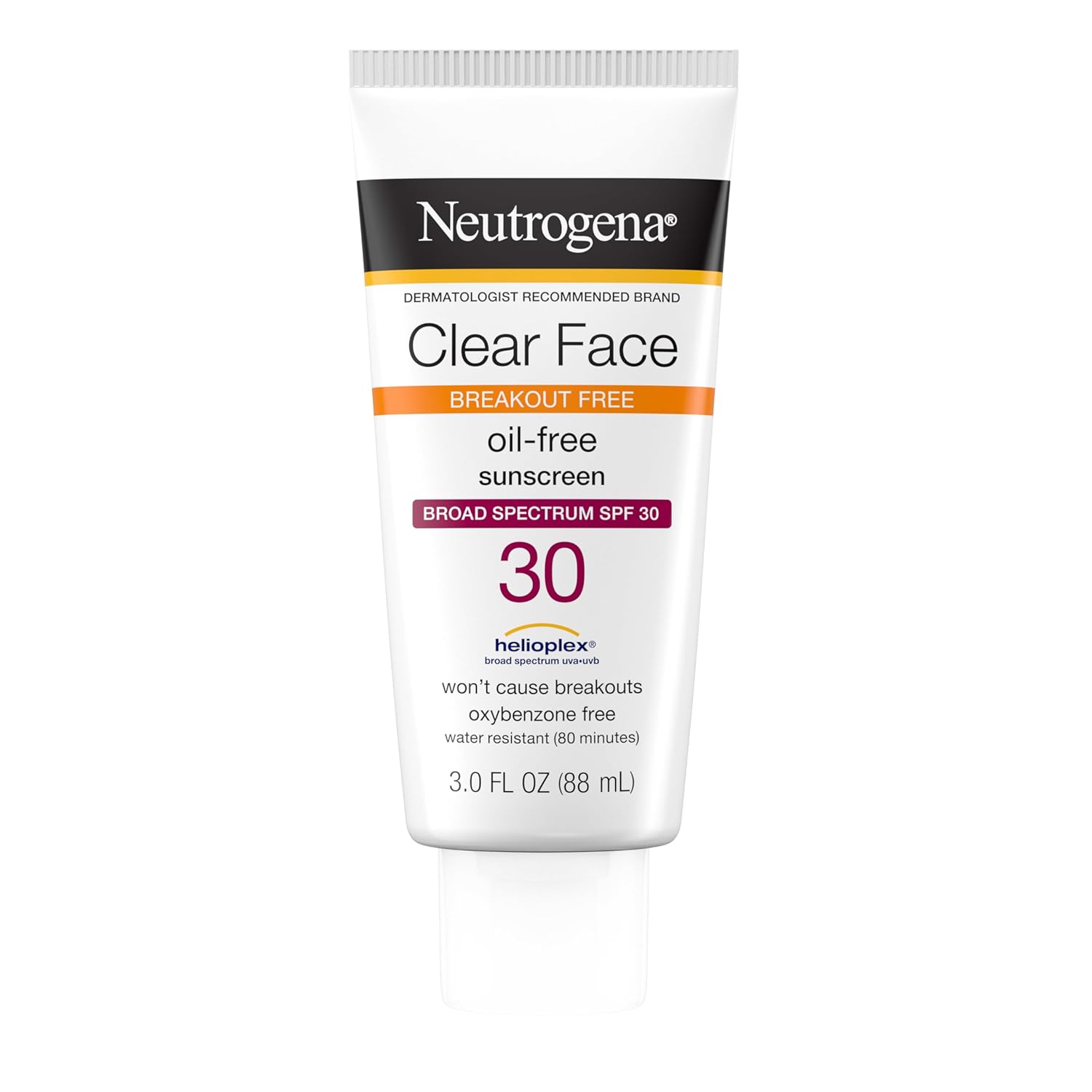
Neutrogena Clear Face Liquid Lotion SPF 30 is oil-free, non-comedogenic, and specifically formulated for pore-prone and breakout-prone skin. For the premium option, EltaMD UV Clear Broad-Spectrum SPF 46 contains niacinamide, leaves zero white cast, and is the sunscreen I recommend most for anyone actively working to minimise pores and PIH simultaneously.
The Night Routine
Everything remains same as the morning routine other than SPF, but we add Retinoid to the schedule because this is going to be the real game changer.
This is the step that produces the most structural change in pore appearance over time — and the one that requires the most patience.
Retinoids accelerate skin cell turnover, preventing the buildup of dead cells inside follicles that stretches pores open. More importantly for pore minimisation, they stimulate collagen production in the dermis — rebuilding the support structure around pore walls that UV damage and ageing break down. Consistent retinoid use over six to twelve weeks visibly tightens pore appearance not by shrinking the pore, but by rebuilding the skin architecture around it.
Application rules: pea-sized amount, entire face, dry skin 20 minutes after cleansing. Every other night for the first two weeks, then nightly from week three onward.

The Ordinary Granactive Retinoid 2% Emulsion is the retinoid I recommend for this routine — a next-generation retinoid ester that drives meaningful cell turnover and collagen stimulation with significantly less irritation than traditional retinol, making it an ideal starting point. Expect mild purging in weeks two and three as it surfaces congestion already forming beneath the skin. This is the process working, not a reason to stop.
The Week-by-Week Reality
Week 1: Your skin is adjusting to the BHA and retinoid simultaneously. Some mild dryness and possible flaking around the nose is normal. Stick with every-other-night retinoid use and BHA only two to three times per week. The foundation is being laid.
Week 2: Sebum production starts to regulate. Skin feels less oily by midday than it used to. Existing congestion begins surfacing. You may notice a few small breakouts — this is the BHA and retinoid clearing what was already forming underneath.
Week 3: This is the week clients text me. Pores across the nose and cheeks look visibly less prominent. Skin texture is smoother. PIH around previously congested areas is beginning to lighten. You’ll want to keep going — and you should.
Week 4–6: A full skin cell cycle completed, then another. Most clients see a significant improvement in pore appearance, skin texture, and overall clarity by week six. Meera was at the higher end because she didn’t skip days and didn’t introduce anything else.
The Full Routine & Shopping List
| Step | Product |
|---|---|
| AM + PM cleanser | CeraVe Foaming Facial Cleanser |
| AM BHA (3x/week) | The Ordinary Salicylic Acid 2% Solution |
| AM + PM serum | The Ordinary Niacinamide 10% + Zinc 1% |
| AM moisturiser | Neutrogena Hydro Boost Water Gel |
| AM SPF | Neutrogena Clear Face SPF 30 |
| PM first cleanse | Garnier Micellar Cleansing Water |
| PM retinoid | The Ordinary Granactive Retinoid 2% Emulsion |
Recommended
5 The Ordinary Products for Dry, Dull & Textured Skin
The Pore-Minimizing Skincare Routine That Made a Visible Difference
This $50 Acne Routine Using The Ordinary Cleared My Client’s Skin in 6 Weeks
Four Product The Ordinary Routine That Actually Clears Acne (Under $50)
The Exact 45-Day Routine That Helped My Client’s Acne Breakouts Calm Down Fast