Priya had tried everything. Not “tried a few things” — tried everything. She came to me with a spreadsheet. An actual spreadsheet logging every product she’d used over three years, how long she used it, and why she stopped. Fourteen cleansers. Eight spot treatments. Three different “complete acne systems” from brands that promised clinical results. A two-month course of antibiotics that cleared her skin beautifully — until it didn’t.
She was 24, intelligent, methodical, and completely demoralized. What struck me immediately wasn’t her acne — it was her routine. She was using six products every morning and seven at night, almost none of which were addressing the actual biology driving her breakouts. She was treating symptoms obsessively while the root cause kept running unchecked underneath.
Eight weeks later, her skin was the clearest it had been since she was 19. Here’s exactly what we changed, why it worked, and every product that made it happen.
The Real Reason Persistent Acne Doesn’t Respond
Acne isn’t one problem. It’s four simultaneous problems — and most routines only address one or two of them at best.
Your skin overproduces sebum. That sebum mixes with dead skin cells inside the follicle (a process called hyperkeratinization) and creates a plug. C. acnes bacteria colonize that plugged follicle. Your immune system detects the bacteria and triggers inflammation — which is the red, painful pimple you see on the surface.
Target only the bacteria? The plugs keep forming. Target only the plugs? The bacterial colonization continues. Address all four mechanisms simultaneously with the right ingredients, in the right order, at the right concentrations — and the cycle finally breaks.
That’s what this routine does.
The Routine: Built on Dermatological Science
Morning Routine
Step 1 — Cleanser
Priya’s first cleanser was a foaming acne wash with 2% salicylic acid. She was using it twice a day. It felt like it was “doing something” — that tight, stripped sensation that we’ve been culturally conditioned to associate with cleanliness.
It was destroying her skin barrier. Every morning and night, she was stripping the acid mantle that keeps moisture in and bacteria out. Her skin responded by ramping up sebum production to compensate — which fed directly back into the acne cycle.
A cleanser’s only job is to remove sebum, sunscreen, and debris. It is not supposed to treat acne. Keep it gentle, pH-balanced (4.5–5.5), fragrance-free, and non-comedogenic.
My recommendation:
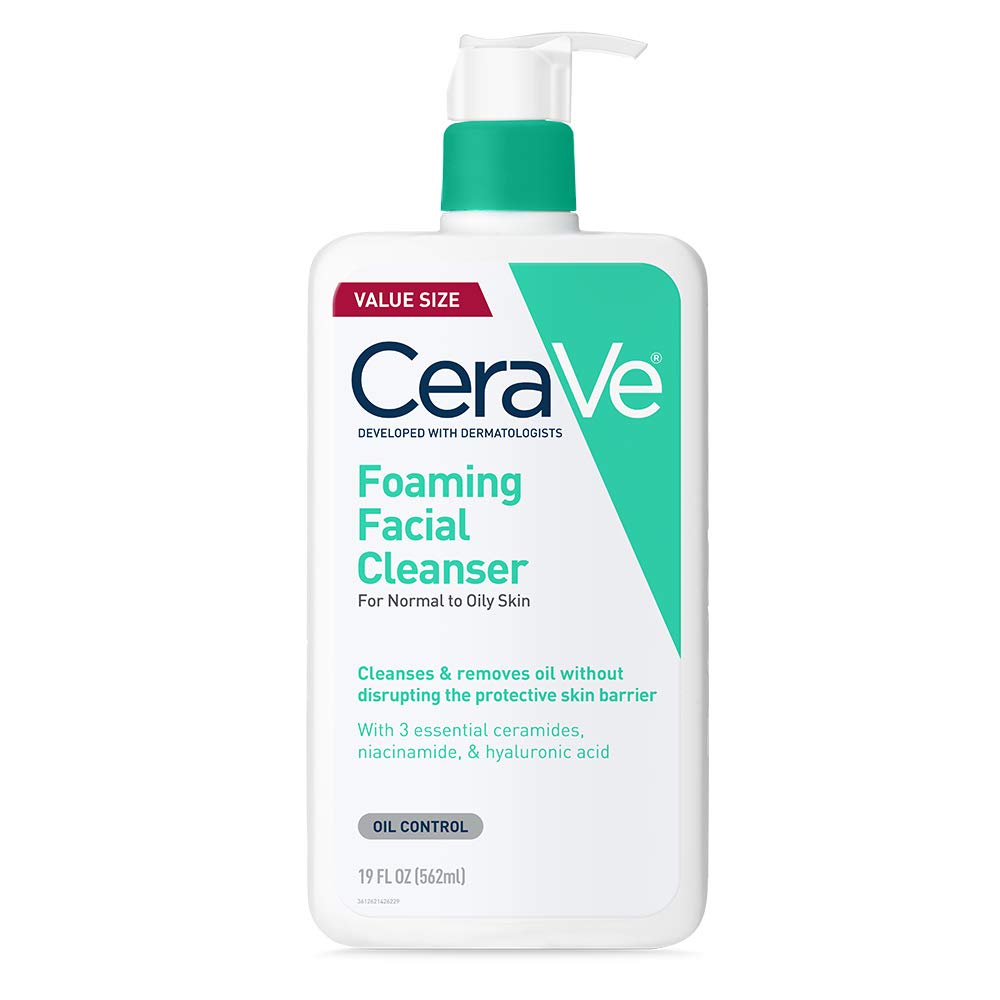
CeraVe Foaming Facial Cleanser — ceramides, niacinamide, hyaluronic acid. Cleans without stripping.
Step 2 — Niacinamide Serum
Niacinamide (vitamin B3) at 10% concentration is quietly one of the most clinically supported ingredients in acne skincare — and one of the most underused. It regulates sebum secretion at the gland level, strengthens the skin barrier, calms active inflammation, and fades the post-inflammatory hyperpigmentation (dark marks) that often outlasts the acne itself.
For Priya, the PIH across her cheeks was almost as distressing as the breakouts. Niacinamide addressed both simultaneously.
My recommendation:

The Ordinary Niacinamide 10% + Zinc 1% — This not only affordable but also effective within weeks. Apply after cleansing, let it absorb for 60 seconds, then move on.
Step 3 — Moisturizer
Every acne client I’ve worked with has skipped moisturizer at some point because their skin felt oily. Every single one made their acne worse. Actives compromise your barrier. A compromised barrier triggers reactive sebum overproduction. This step is not optional.
Lightweight, oil-free, and non-comedogenic is what you’re looking for.
My recommendation:

Neutrogena Hydro Boost Water Gel fits all three — hyaluronic acid-based, absorbs instantly with zero greasiness.
Step 4 — SPF
Adapalene (your evening active) increases photosensitivity. UV exposure on already-inflamed skin darkens PIH marks and triggers additional inflammation. Niacinamide is working every morning to fade those marks — every morning without SPF reverses that progress.
Broad-spectrum SPF 30 minimum. Every day. Non-negotiable.
My recommendation:

EltaMD UV Clear SPF 46 is the best-in-class for acne-prone skin.
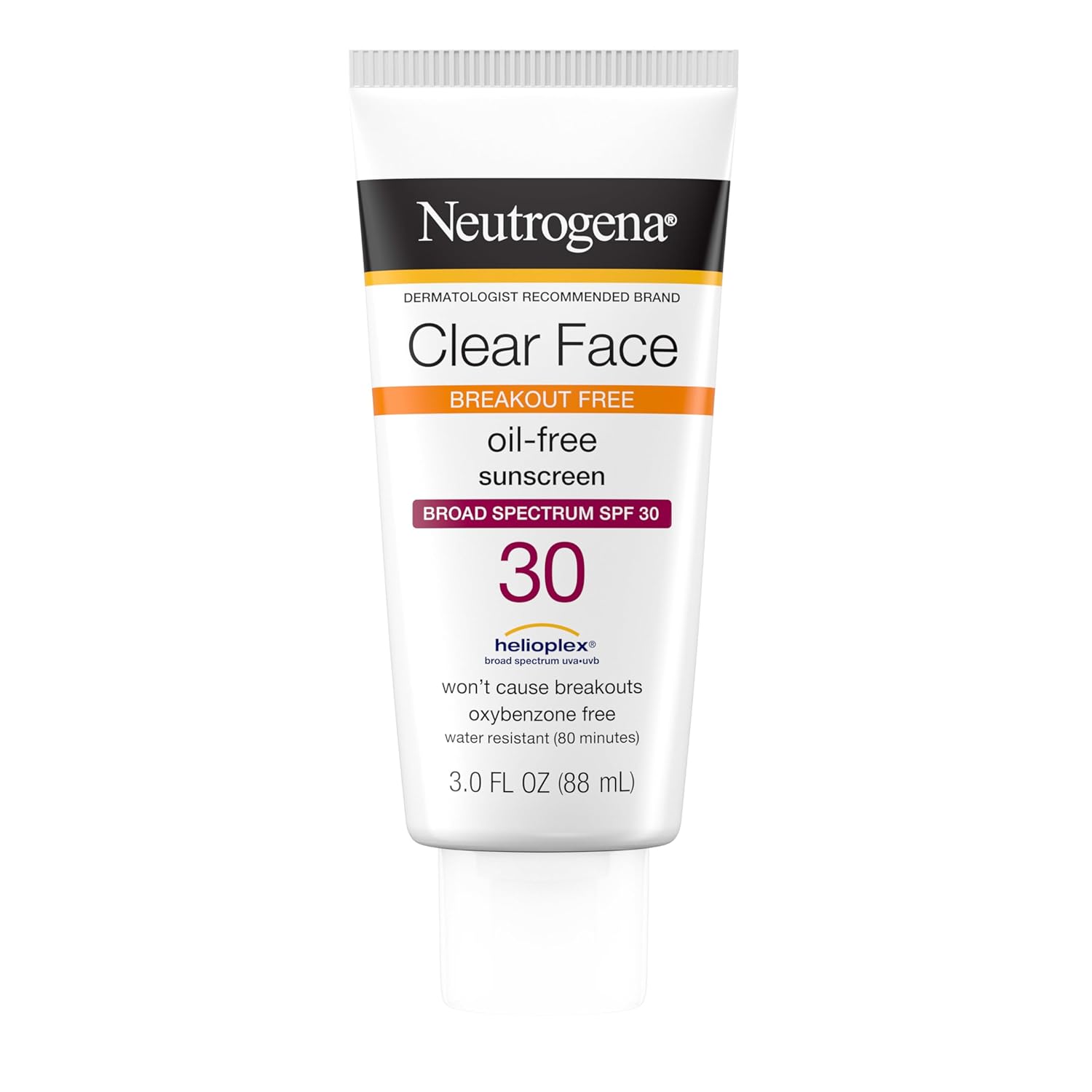
Budget alternative: Neutrogena Clear Face SPF 30 is oil-free and specifically formulated for breakout-prone skin.
Evening Routine
Step 1 — Double Cleanse
At night, you’re removing a full day’s worth of sunscreen, pollution, and sebum before applying actives. Skipping the double cleanse and applying adapalene over residual SPF reduces its efficacy significantly.
First pass: micellar water on a cotton pad to dissolve surface buildup. Second pass: your gentle cleanser.
My recommendation:

Bioderma Sensibio H2O Micellar Water — dermatologist-favorite, alcohol-free, suitable for even the most reactive skin. Apply on a cotton pad, no scrubbing required.
Step 2 — Niacinamide Serum
Same serum, second application. Evening niacinamide works during your skin’s overnight repair cycle — this is when barrier restoration and pigmentation-fading activity are at their peak. Two minutes of your nighttime routine, compounding results you’re already building in the morning.
Step 3 — Adapalene 0.1%
This is the engine of the entire routine.
Adapalene is a third-generation retinoid that works by normalizing the hyperkeratinization inside follicles — the abnormal cell-shedding process that creates the initial plug from which every type of acne develops. No plug formation means no pore blockage. No pore blockage means no bacterial colonization. No colonization means no inflammatory response. No inflammatory response means no pimple.
It’s the only OTC ingredient that addresses acne at its earliest possible formation stage. And critically, it’s now available without a prescription.
Application rules that actually matter: pea-sized amount, applied to the entire face — not just spots. Adapalene prevents formation; spot-treating misses the pores that are silently clogging right now. Apply to dry skin, 20 minutes after cleansing. For the first two weeks, every other night. From week three, nightly.
My recommendation:
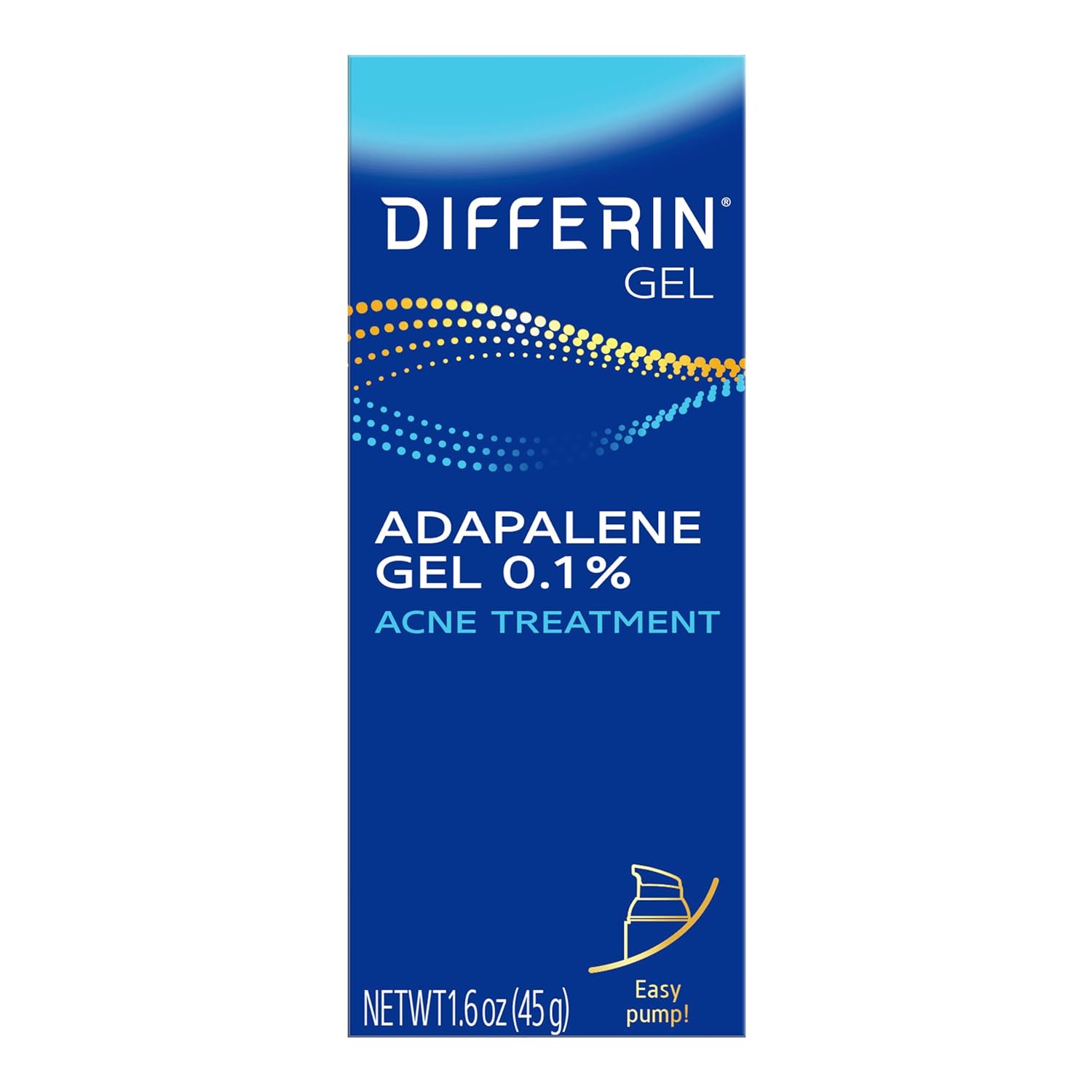
Differin Gel 0.1% — This single product changed Priya’s skin more than everything else in her old routine combined.
Step 4 — Moisturizer
Adapalene accelerates cell turnover. Without adequate moisture, that process produces dryness, peeling, and irritation that can compromise your barrier and stall results. If early-week dryness is significant, apply moisturizer before adapalene — the “sandwich method” — to buffer absorption and dramatically reduce irritation.
My recommendation:

CeraVe PM Facial Moisturizing Lotion — ceramides, cholesterol, and fatty acids in a ratio that mirrors your natural barrier. One of the best-value skincare products that exists.
The Week-by-Week Reality
Week 1: Possible dryness and mild flaking as your skin adjusts to adapalene. A small increase in breakouts is normal — the retinoid is surfacing clogged material that was already forming underneath. This is the process working. Stay consistent.
Week 2: Inflammation quiets. Existing breakouts resolve faster. New ones are slowing down, though you may not notice yet. The skin starts feeling more balanced.
Week 3: This is the week clients text me. Fewer new breakouts. Texture improving. PIH beginning to lighten. You’ll want to keep going — and you should.
Week 4: A full skin cell cycle completed. Most people see 50–70% reduction in active lesions. The skin continues improving with every subsequent cycle.
What You Need to Stop Doing
Using a new product every two weeks. Adapalene requires a full 28-day cycle before meaningful results show. Quitting at day fourteen means quitting before it’s had a single complete cycle to work.
Spot-treating with adapalene. Acne forms before it’s visible. The pore you can see is three weeks behind the pores you can’t. Whole-face application only.
Scrubbing actively broken-out skin. Physical exfoliation spreads C. acnes bacteria, ruptures existing lesions, and deepens pigmentation. Avoid entirely while on this routine.
Using six actives at once. Priya’s original routine had three different acids, a retinol, benzoyl peroxide, and a vitamin C. They were counteracting each other and dismantling her barrier simultaneously. Three well-chosen actives used consistently will always outperform nine used haphazardly.
Results That Surpassed Expectations
At Priya’s eight-week check-in, she sent me a photo — no filter, natural light, the kind of photo she said she hadn’t been willing to take in four years. The active breakouts were gone. The PIH was fading visibly. Her skin barrier, for the first time in years, was intact.


She asked me why her old fourteen-step routine had failed when this seven-product routine had worked.
The answer is what it always is: it wasn’t about the number of products. It was about whether those products were addressing the right things, in the right order, without getting in each other’s way.
This routine does exactly that. Nothing more, nothing less.
Recommended
The Dermatologist-Approved Acne Routine That Cleared My Client’s Skin in 30 Days